Menu
Your Cart

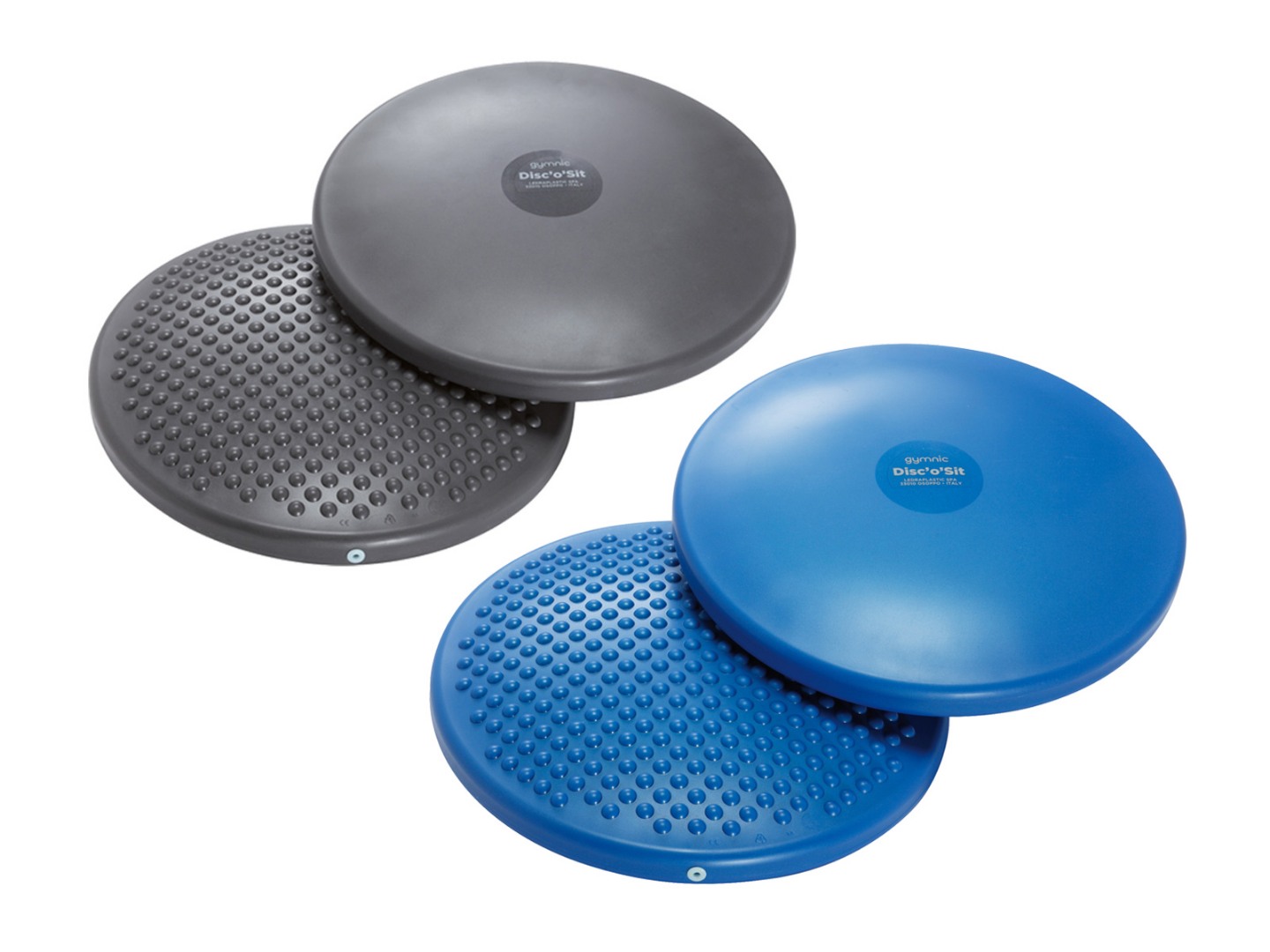
Disc'o Sit seat - for active sitting and training - blue color, F39cm.

Disco Sit seat - for active sitting and training - blue color, F39cm.
New
Disco Sit seat - for active sitting and training - blue color, F39cm.
Disc'o Sit seat - for active sitting and training - blue color, F39cm.
41.20€ (80.58лв.)
  • Stock: In Stock
  • Brand: Gymnic
  • Model: BM-89.11
✨ MagicAI: Last inventory update: 23-04-2026
Expected delivery date : Friday 24 April 2026 - Tuesday 28 April 2026

*Dates are valid only for deliveries in Bulgaria. For EU deliveries dates may vary

Description

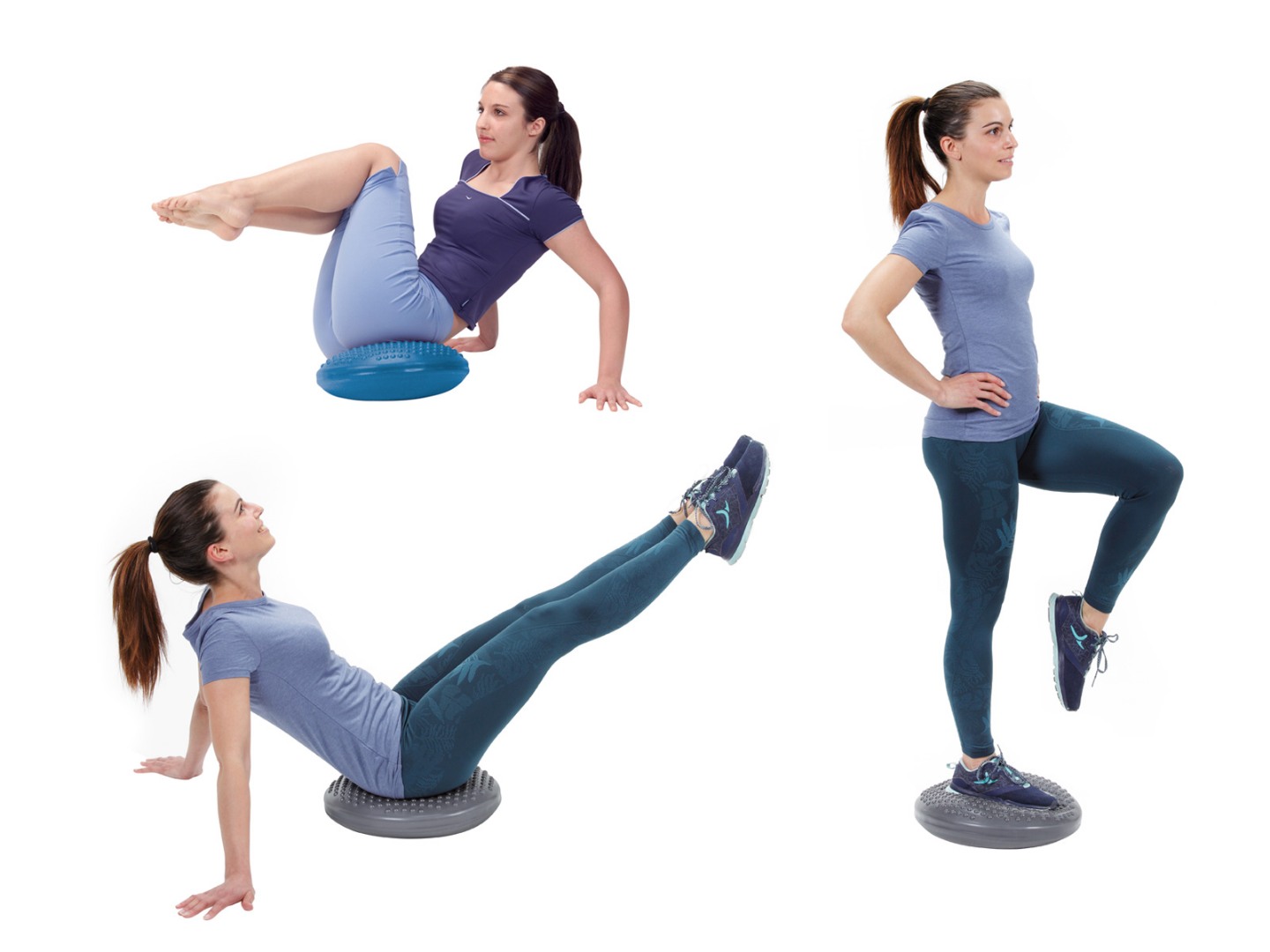
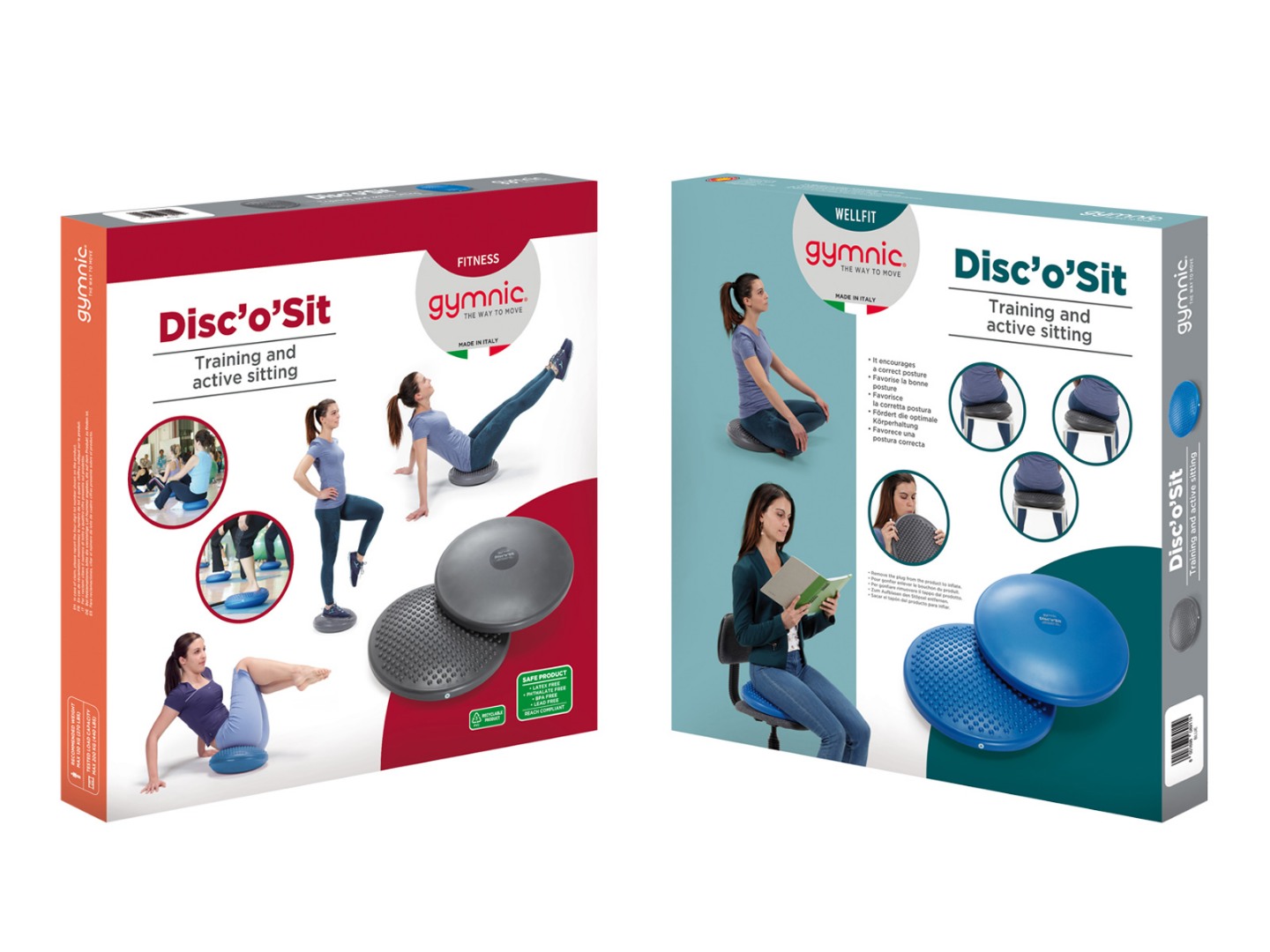
Disc'o Sit - for active sitting and training - blue color, F39cm - made in Italy, Completely non-toxic and safe - BPA Free, Latex Free, Phthalate Free, Lead Free, classified as a class I medical device

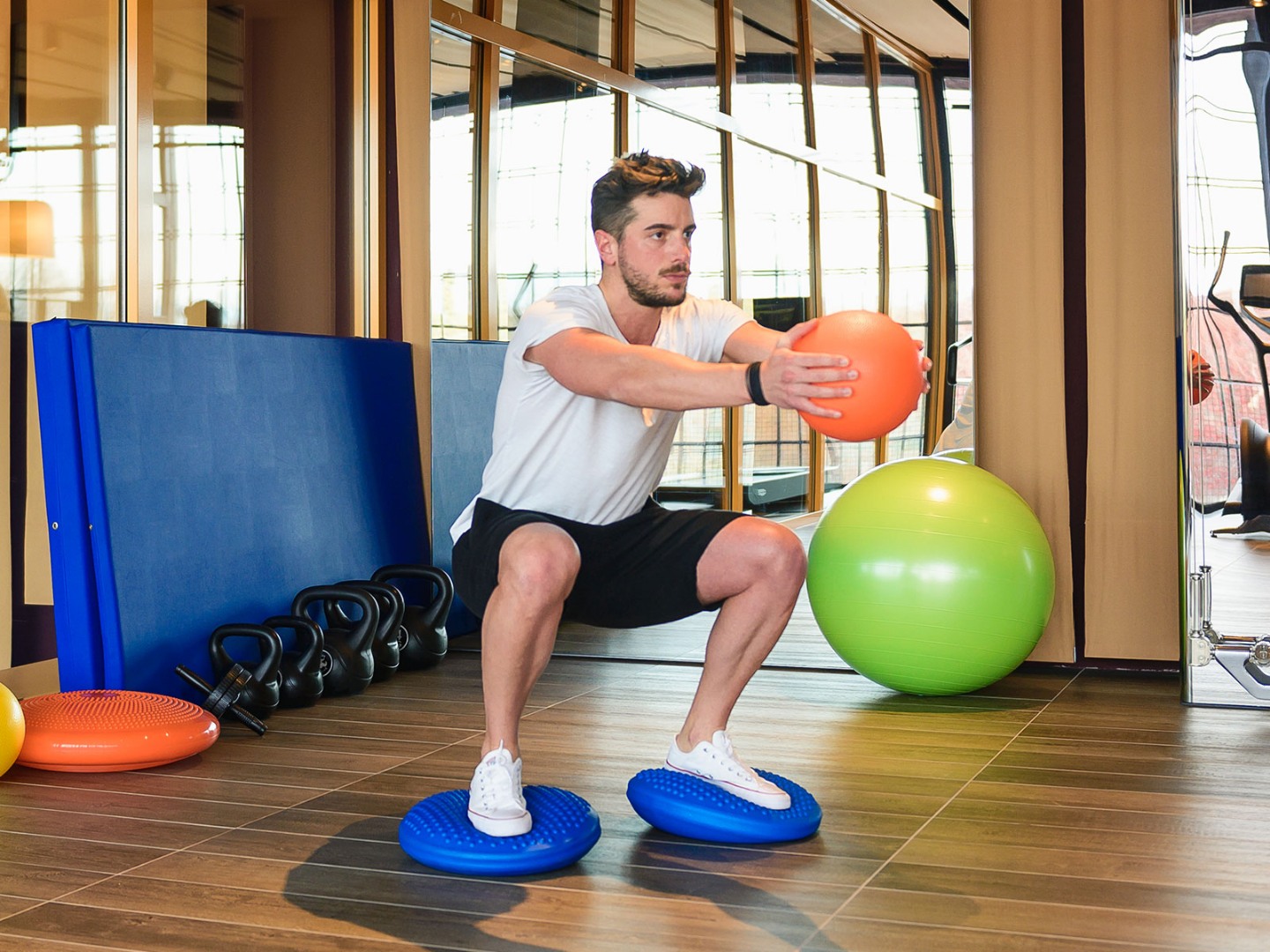
Originally conceived as a seating cushion, the Disc'o'Sit has also established itself as a fitness and therapy tool. Very useful for improving coordination and reflexes, this product is included in many training programs. The Disc'o'Sit is highly recommended as an active seating device to relieve pressure on the back and provide the beneficial effect of sitting movement. By inflating, you can easily adjust the required level of stability of your seat.

Class I medical device, conforming to European regulations.

Recommended weight: max. 120 kg (270 lbs) / Load capacity tested: max. 200 kg (440 lb).

The price is for 1 pc.

Fitball, also known as "Swiss ball", was developed in 1963 by Aquilino Cozani, founder of the Italian company Lederplastic (Gymnic). He perfected a process for molding large puncture-resistant balls of non-toxic vinyl. According to American physiotherapist Joanne Posner-Meyer, the use of the exercise ball as a therapeutic tool probably began with the Swiss pediatrician Dr. Elsbeth Koengan, an early proponent of the Bobat concept. These balls, then known as "Pezzi balls", were first used in newborn and infant treatment programs by Mary Quinton, a British physiotherapist working in Switzerland. That's where the name "Swiss" comes from, even though they originated in Italy.

Later, Dr. Susanne Klein-Vogelbach, director of the School of Physical Therapy in Basel, Switzerland, integrated the use of ball exercises as physical therapy for neurodevelopmental treatment. In 1985, she published the famous book "Ballgymnastik zur funktionalen Bewegungslehre" ("Ball gymnastics for functional movement theory"), where she described several exercises with the ball. Klein-Fogelbach advocates using ball techniques to treat adults with orthopedic or medical problems.

In 1995, Joan Posner-Meier published a book, Swiss Ball Applications for Orthopedic and Sports Medicine, in the US. When American physical therapists began using ball exercises, the term became common in the United States. Since their development as physical therapy in a clinical setting, these exercises are now used in athletic training, as part of a general fitness routine, and are widely used in yoga and pilates.

Ledraplastic SpA, founded in 1963, was one of the first manufacturing companies to use the rotational molding method to process non-toxic vinyl. For the first 20 years, the production process concentrated on children's toys. The flagship products of these early years were the Disney dolls, produced under license by the Walt Disney Company. Since the mid-1980s, the business has established itself in several market sectors: from toys to fitness, including physiotherapy and wellness. Their own brand, Gymnic – The Way to Move – identifies their product range in the international market and stands for quality products designed to provide movement and well-being for people of all ages